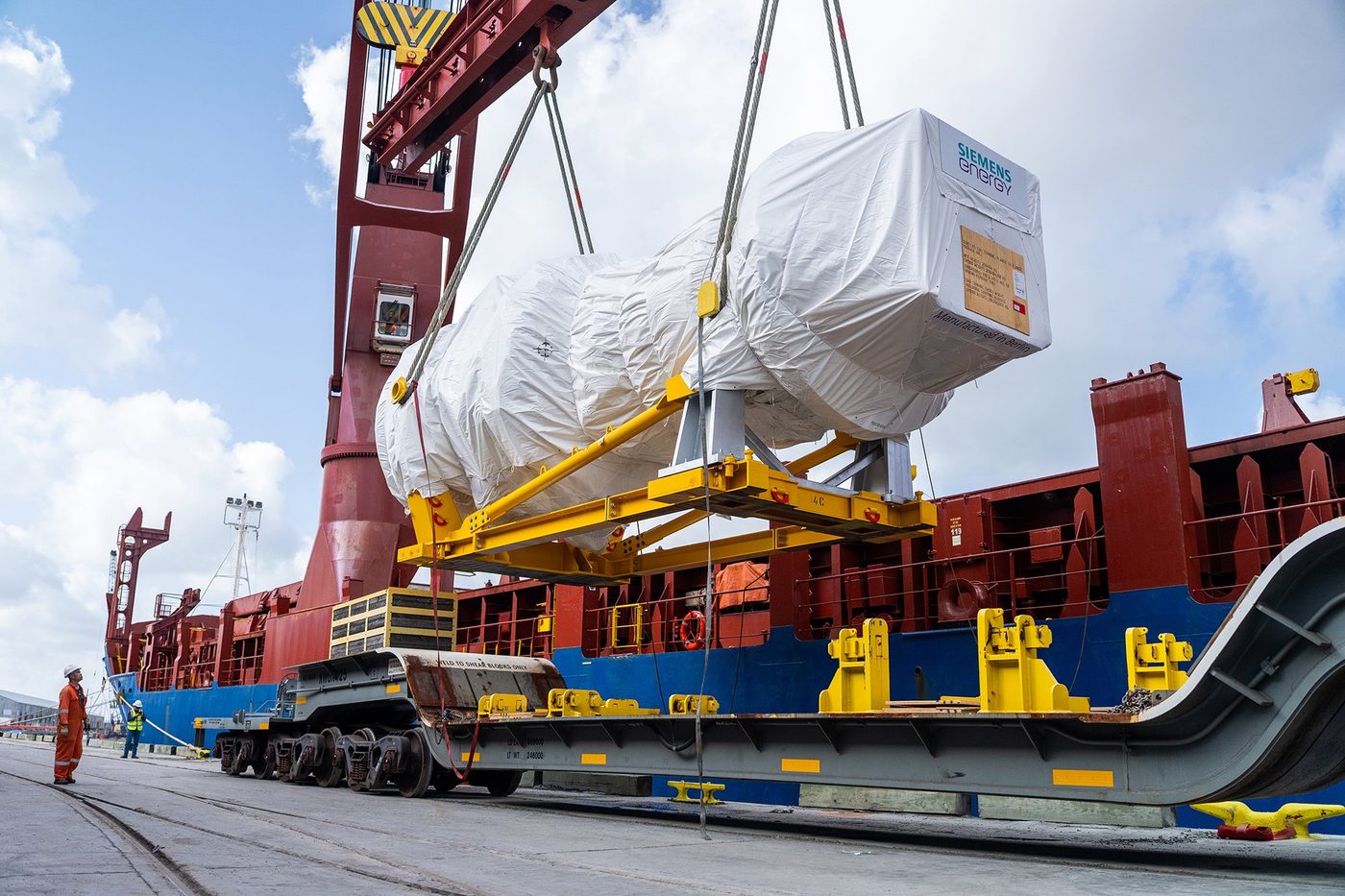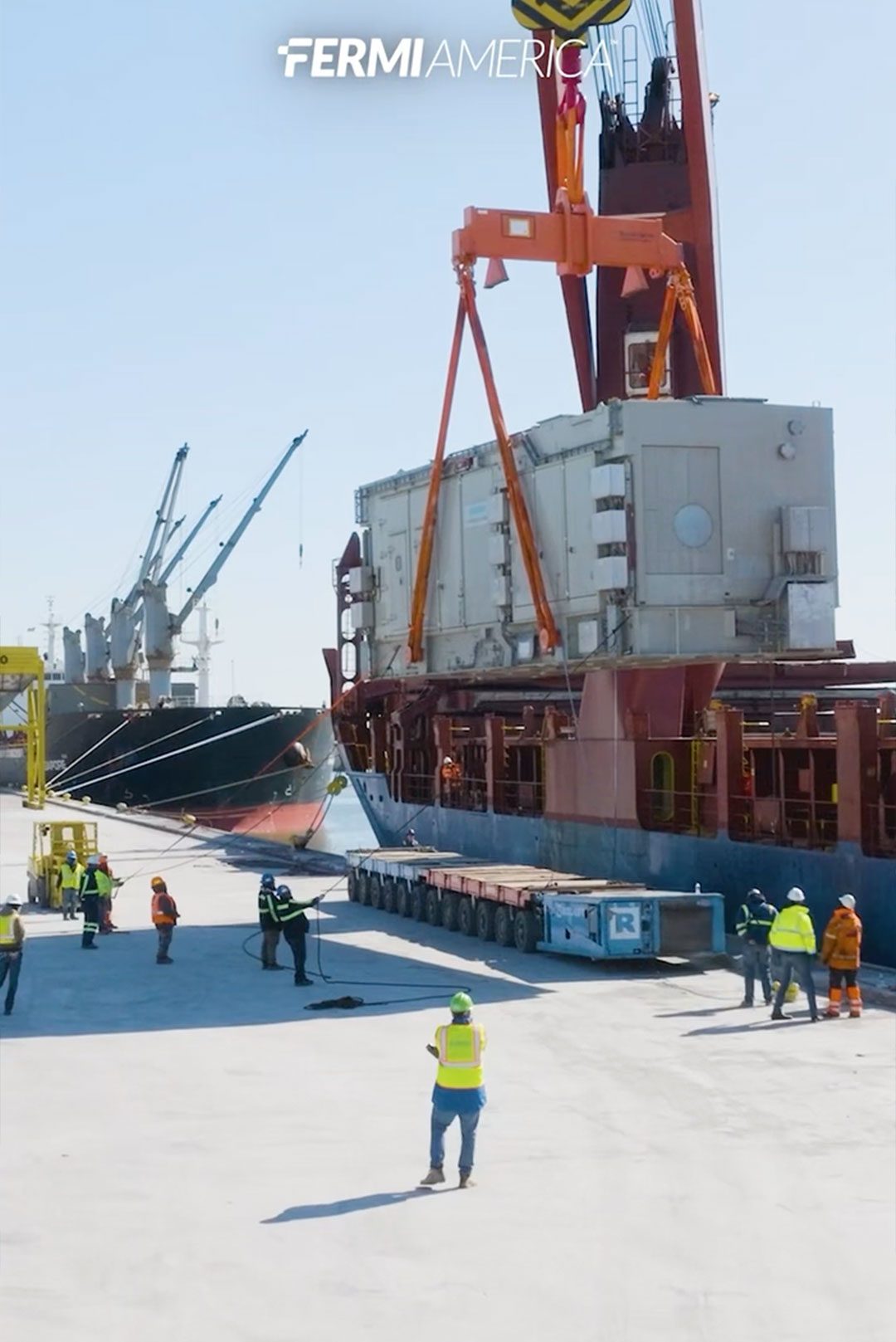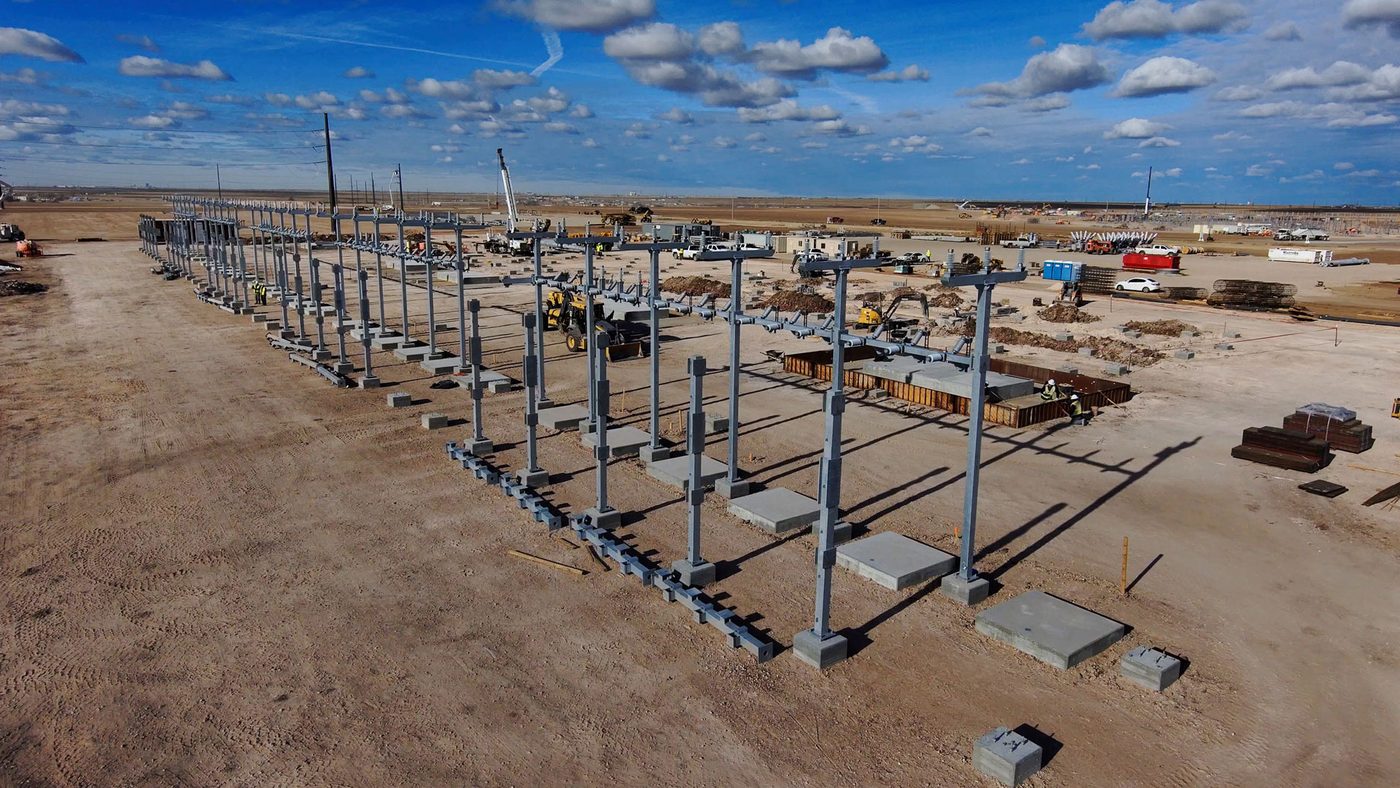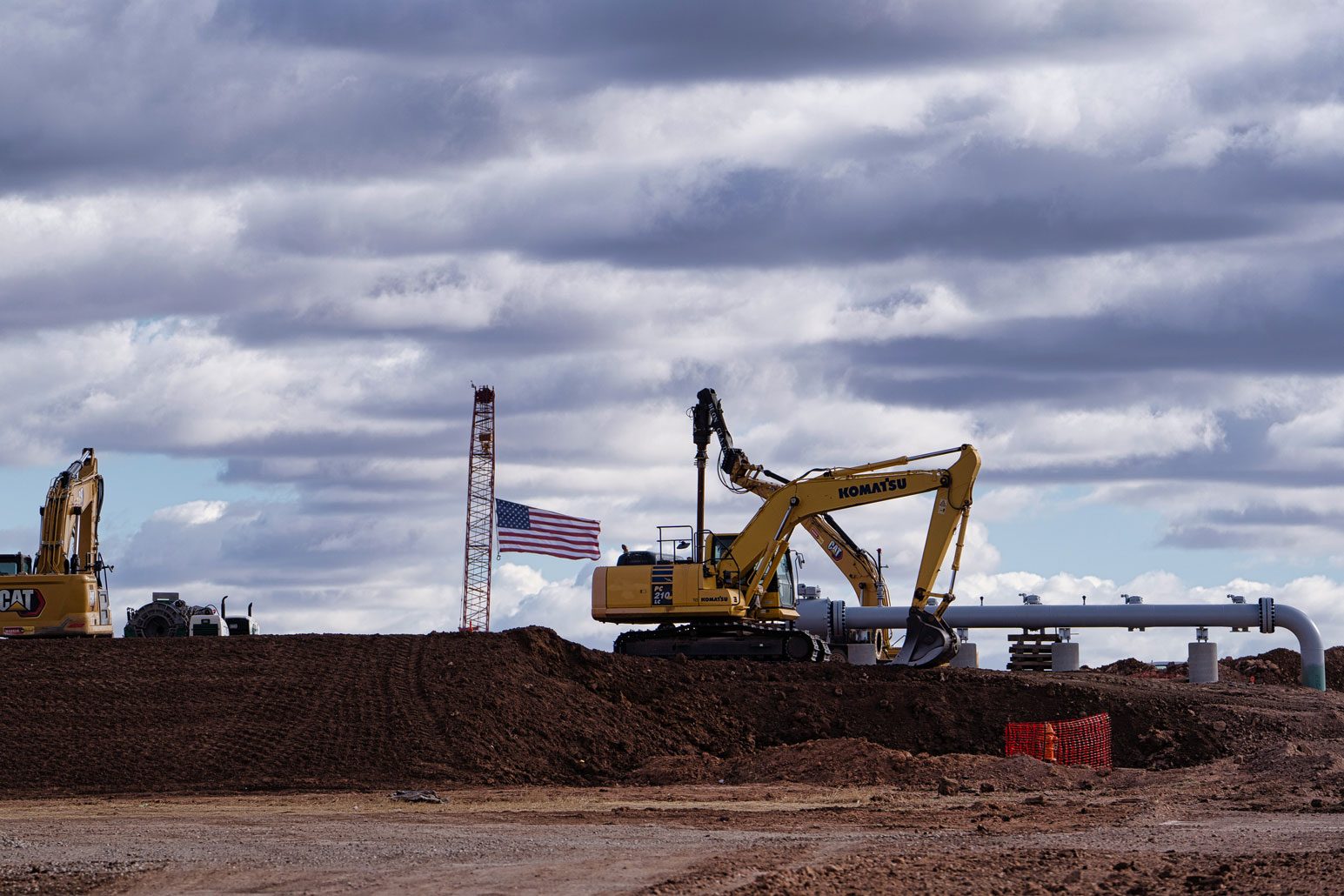
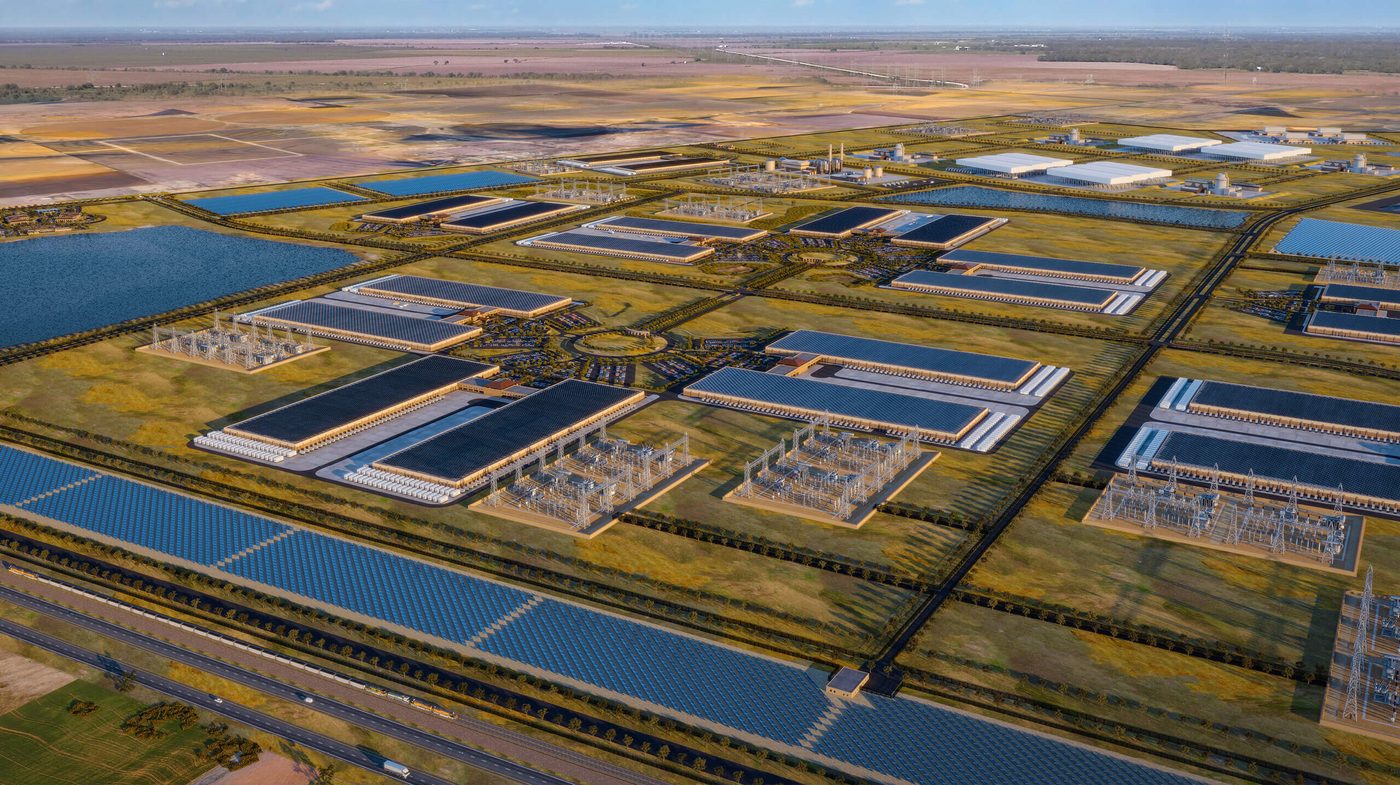
Building a planned 17 GW private power grid for AI, what we believe will be among the largest of its kind, with natural gas, nuclear, solar, and storage on 7,570 acres, designed to serve up to 15 million square feet of data centers. First power targeted for Q1 2027.
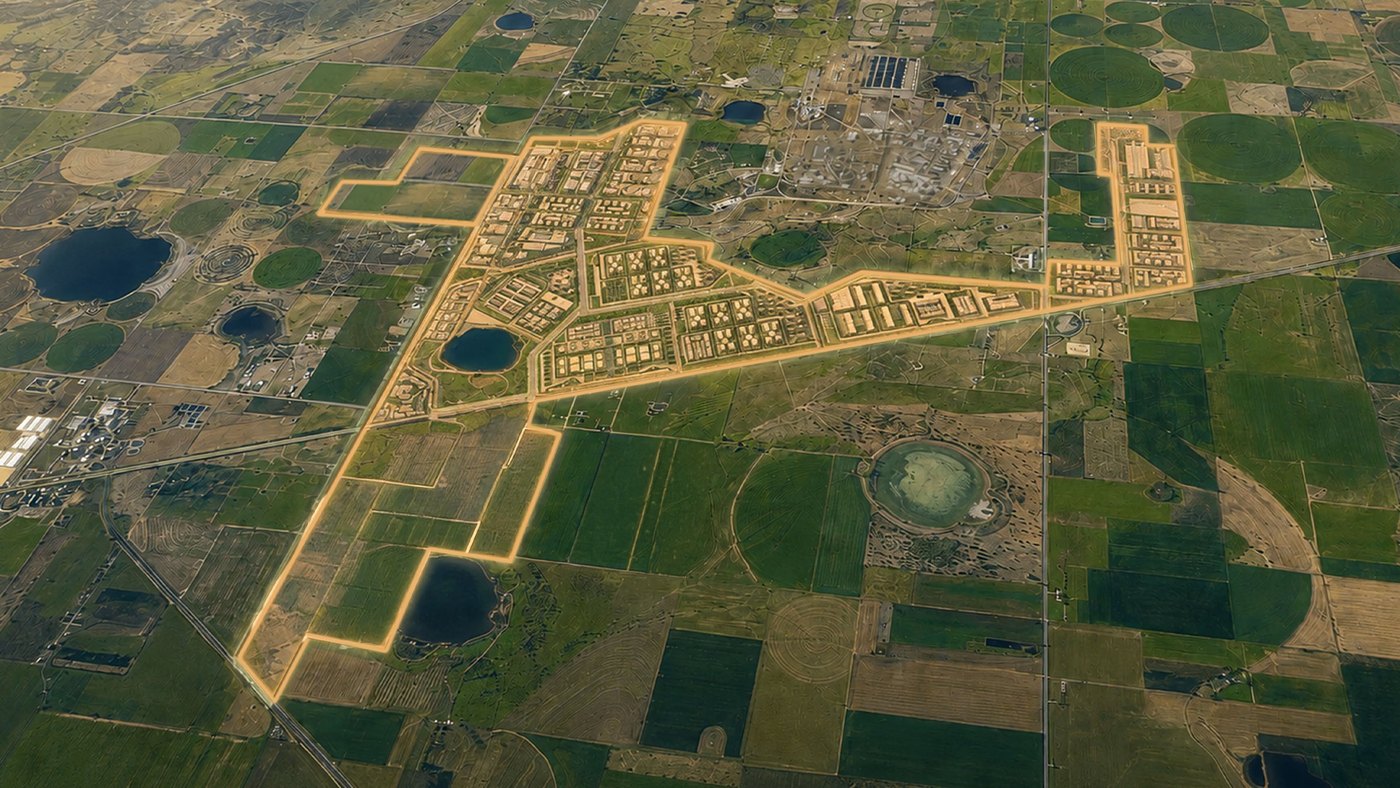
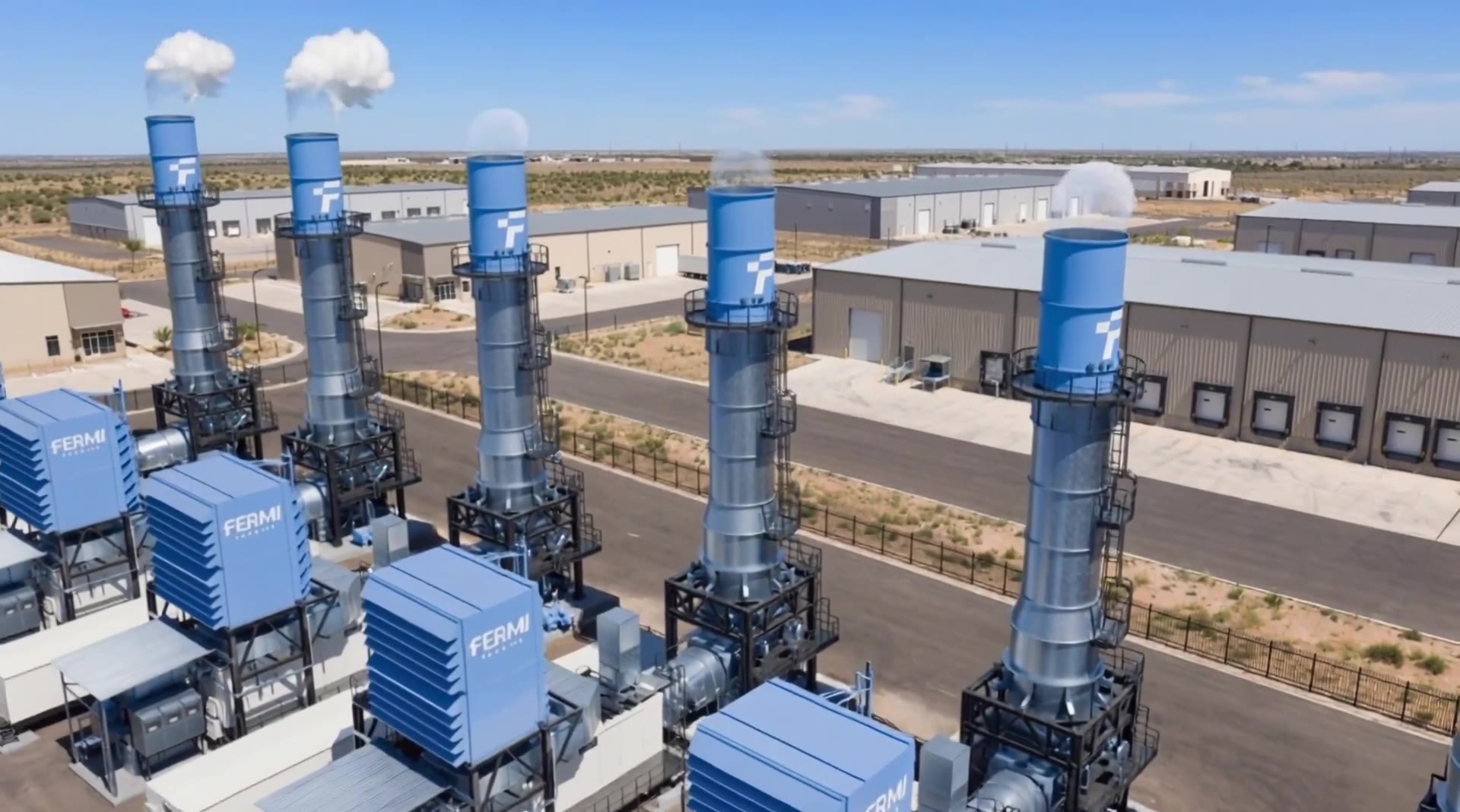
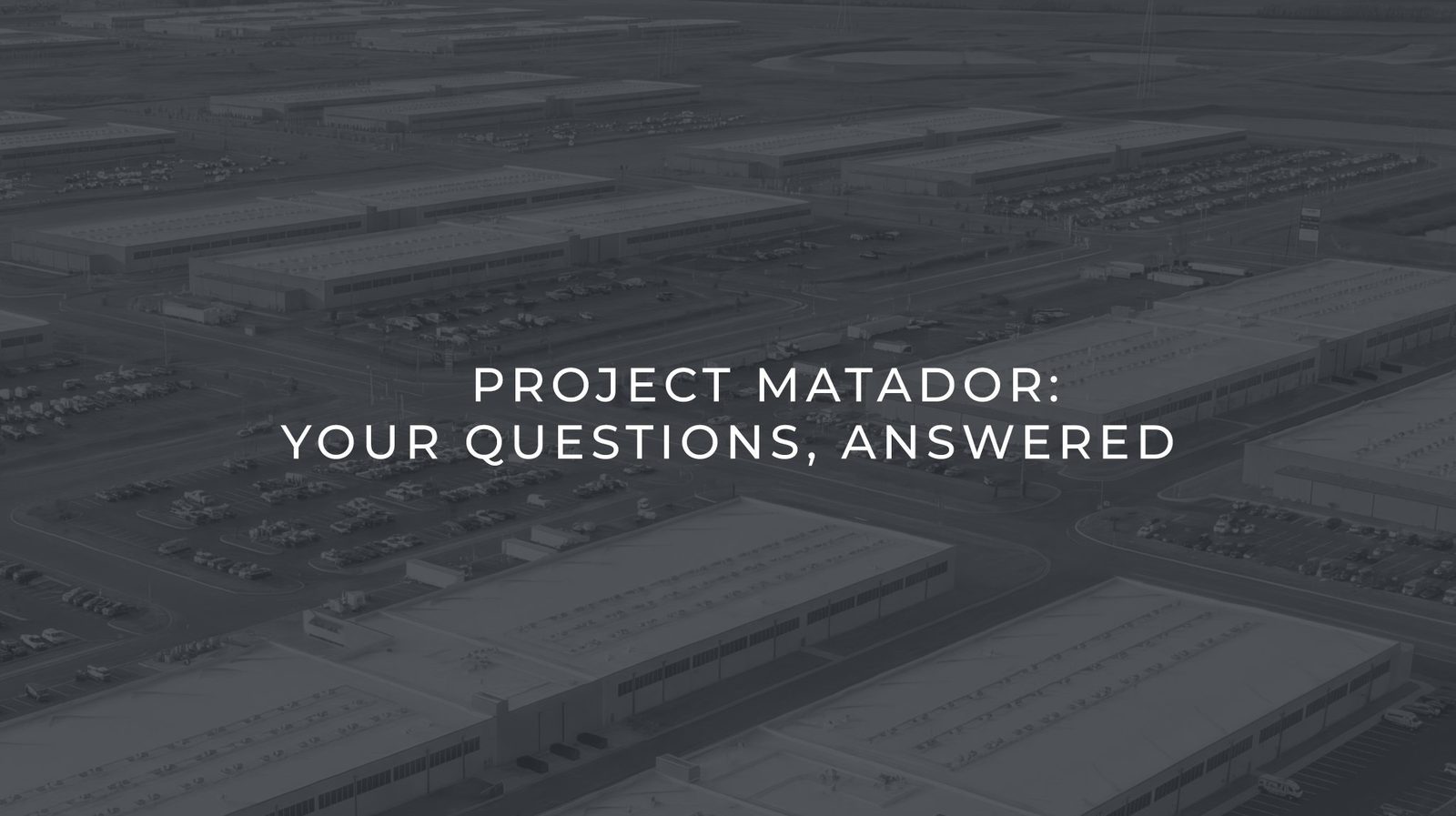
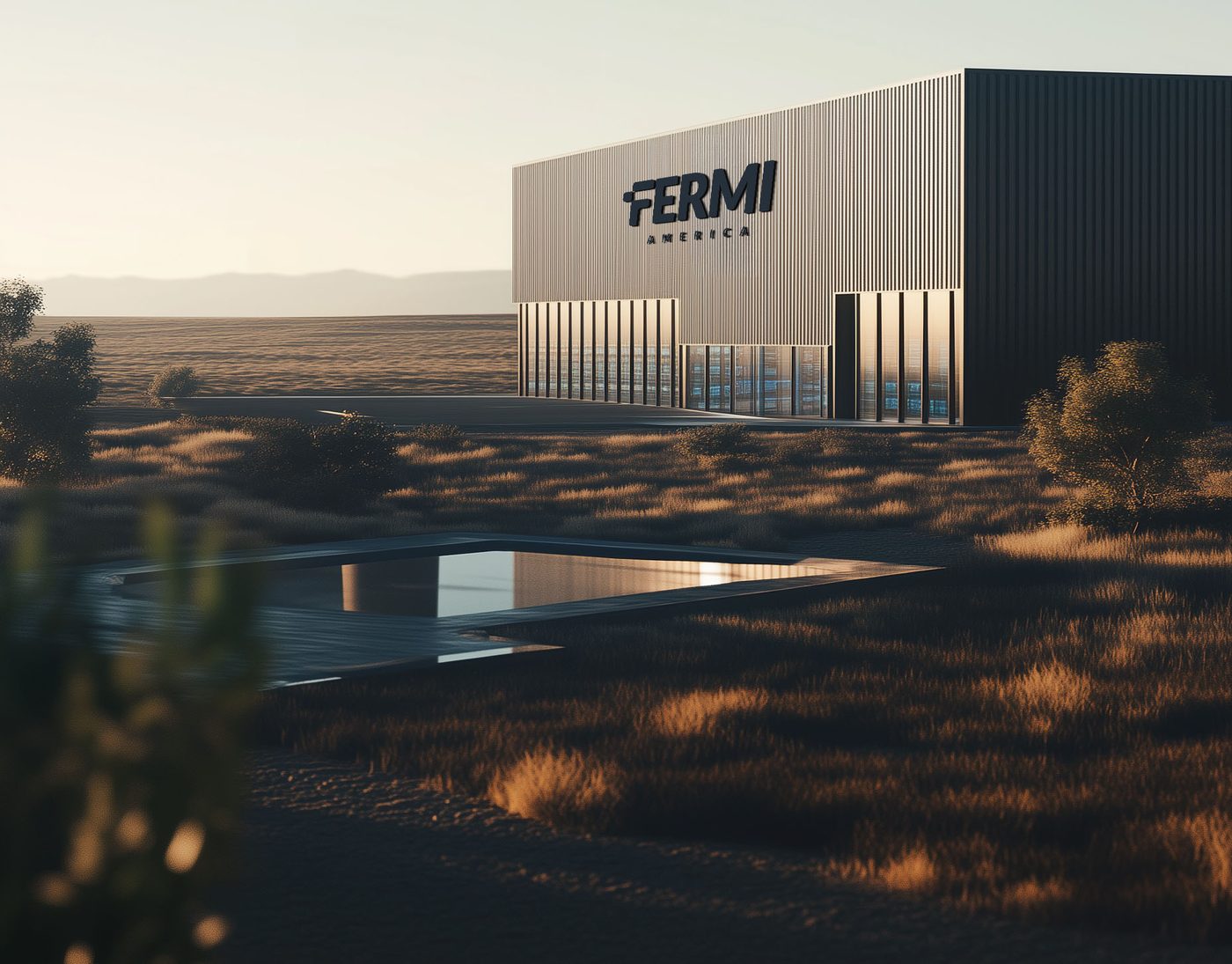
Project Matador, the data-center campus on 7,570 acres · Fermi America render
One question, three answers
"Why does AI need its own power plant?"
Same facts. Three honest answers.
Because thinking takes energy, even for machines.
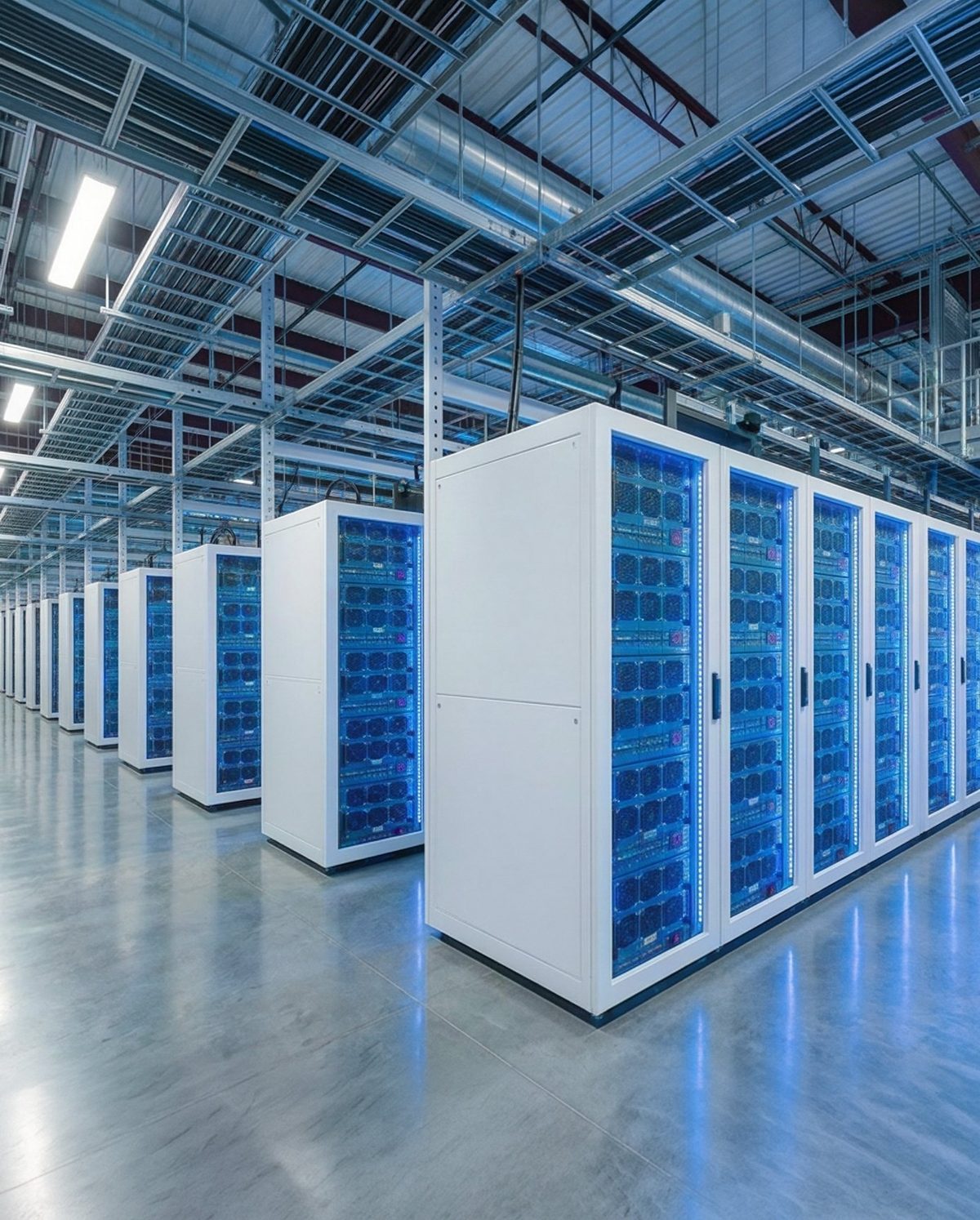
Every question you ask an AI runs through warehouses of processors that draw electricity the way a city does; one large AI campus can need as much power as millions of homes. If those campuses plug into the grid you already use, everyone competes for the same electrons. Fermi's answer is to build the power plant and the data center together, on the same land, behind the same fence, so AI can be fed without raiding the neighborhood's supply.
The problem
AI needs power the grid can’t give.
America is short a projected 45 gigawatts, and new connections wait years. Intelligence is throttled by electricity.
The answer
So Fermi is building its own.
7,570 acres on the Texas Panhandle, beside the Department of Energy’s Pantex plant. Project Matador.
Gas
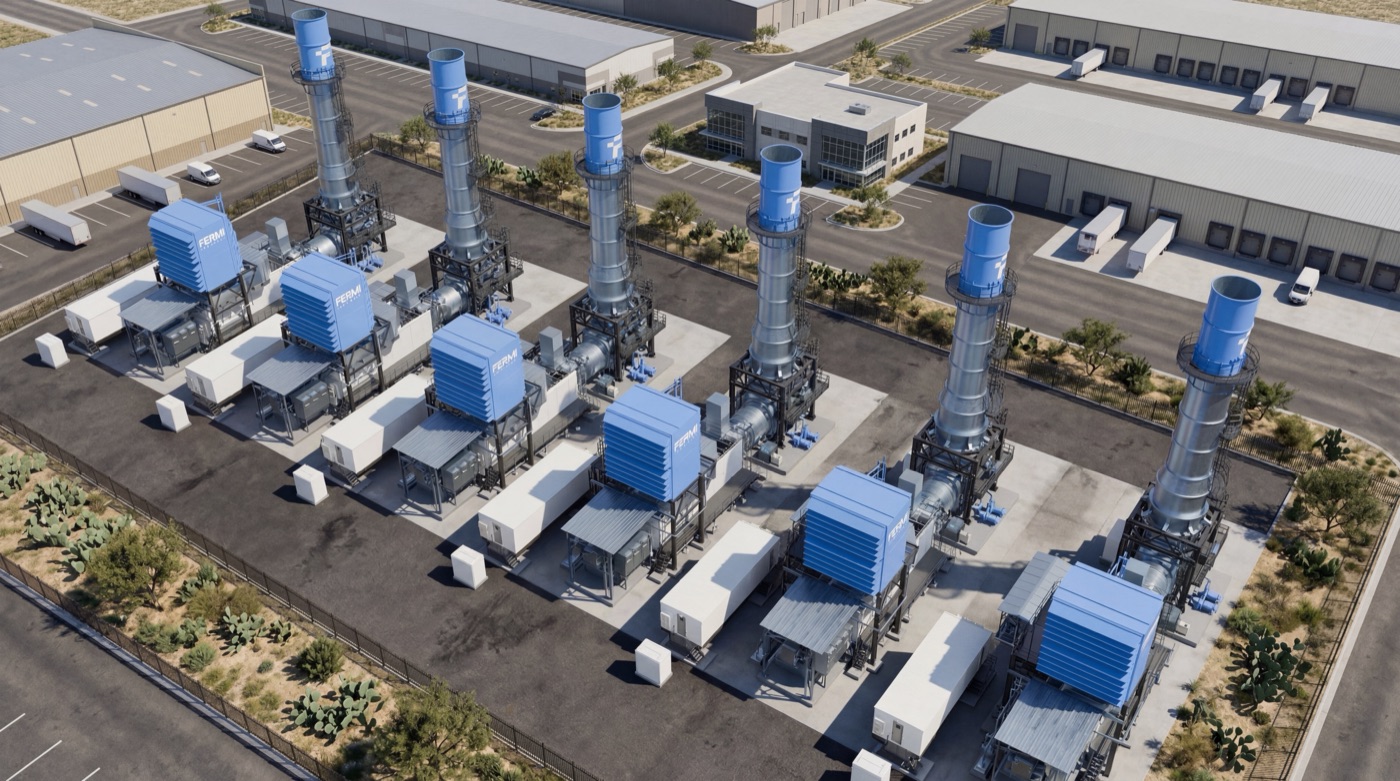
Up to 11 GW of natural gas.
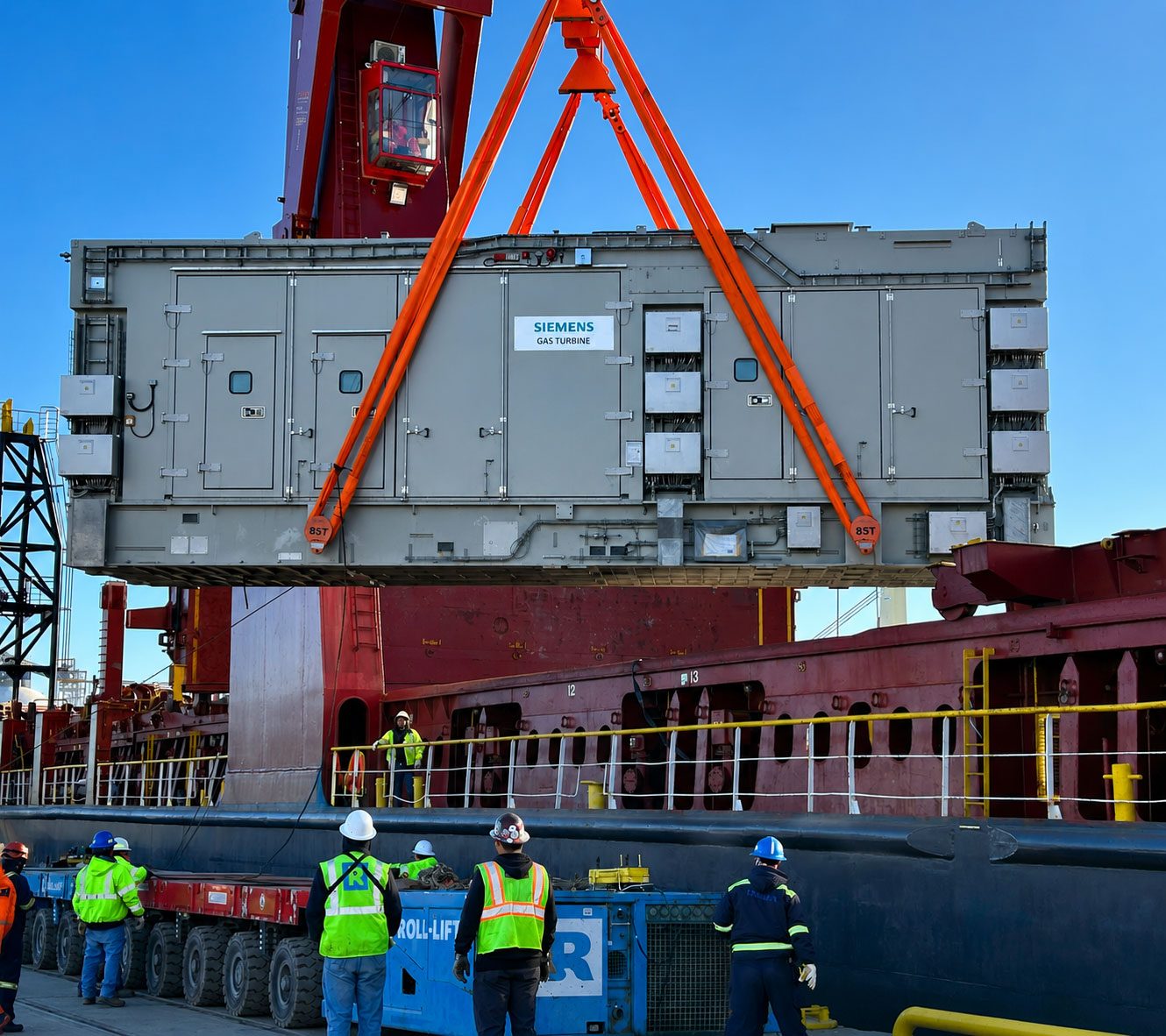
Three proven turbine models, Siemens SGT-800, F-class SGT6-5000F, GE Frame 6B, staged in waves.
Behind the meter
One private 345 kV bus.
Generation and load meet behind the same fence. No interconnection queue. No transmission risk. Behind the meter.
The load
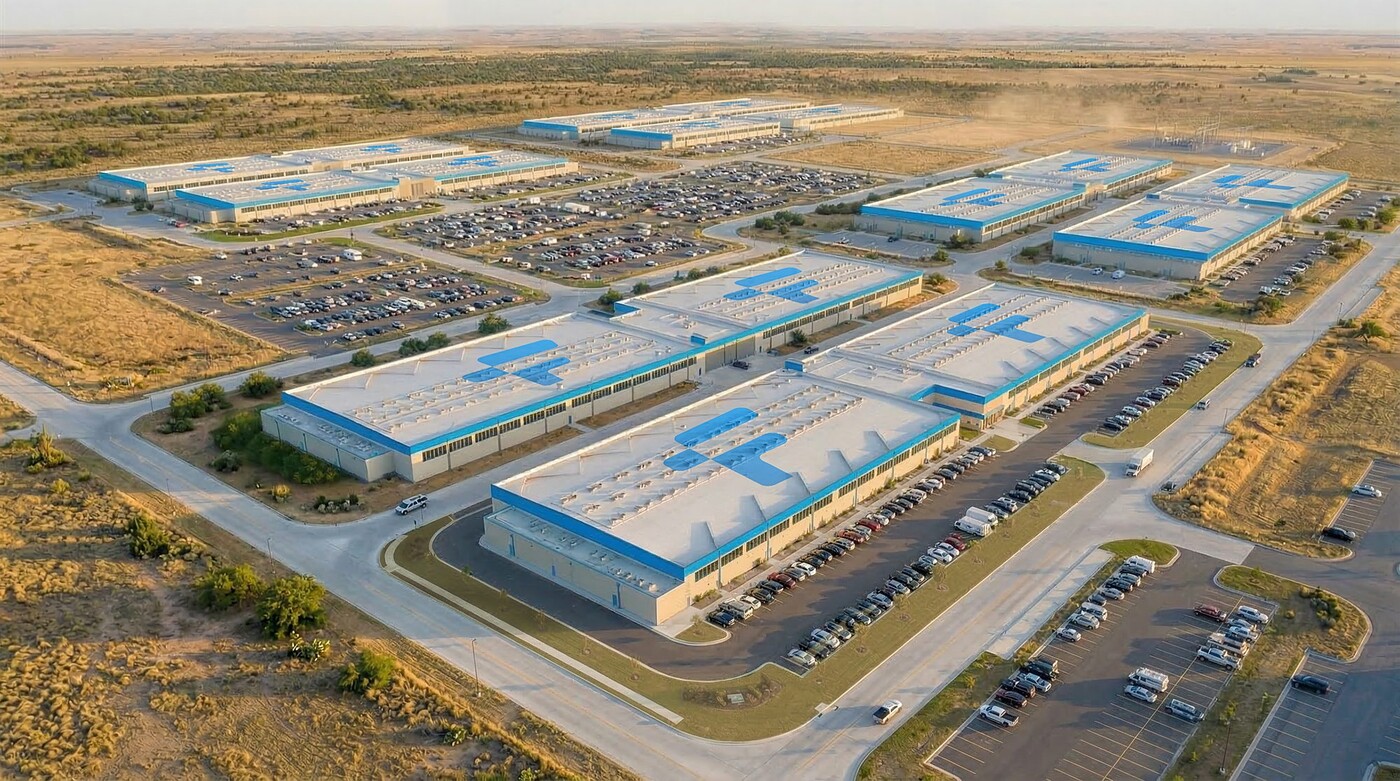
15 million square feet of AI.
Power flows straight into the data centers beside the turbines, capacity on a construction schedule, not a regulator’s calendar.
The timeline
First power, Q1 2027.
The math is simple. The campus is the platform. Power is the product. The timeline is now.
Scroll to fly the campus
The moat
Four structural advantages we are building.
Behind the meter
Fermi is built to run behind the meter, independent of the public grid for its core power. Designed to avoid the interconnection queue and to reduce transmission and curtailment risk, without competing with Texas households for electrons. Generation and computers share one private bus, with only a small utility tie for backup and start-up, so capacity is planned to arrive on a construction schedule, not a regulator's calendar.
Next door to the DOE
The campus borders the Department of Energy's Pantex Plant, one of the most security-scrutinized sites in the country. That means a region built around clearances and restricted airspace, a workforce fluent in nuclear-grade safety culture, and regulators who already know the neighborhood. (Adjacency to Pantex does not imply endorsement by any federal agency.)
Permitted: air, water, nuclear
Permits are the real queue, and Fermi has cleared key milestones. Air: a 6 GW Texas (TCEQ) air permit issued, ~5 GW more filed. Water: up to 11 MGD planned from multiple sources. Nuclear: the first NRC Combined License application accepted for review in fifteen years. Many competitors start that clock at zero.
1.5 GW by end of 2027
America is short a projected 45 gigawatts, and new connections wait years. Against that scarcity, Fermi's turbines are ordered and financed, targeting a ramp to 1.5 GW by the end of 2027 and 2 GW in 2028. Few developers can say the same.
Built on a rare foundation
7,570 acres
Next to the Pantex DOE complex
Access to water
Fed by major natural gas pipelines
High-capacity fiber in the ground
Progress to date
A plan that keeps clearing milestones.
Each step below is a milestone Fermi has publicly announced. Dates and details link to the original release.
Gas and nuclear are planned to deliver the 17 GW, with solar and storage as complementary additions, all engineered to feed fifteen data centers through one private bus behind the meter.